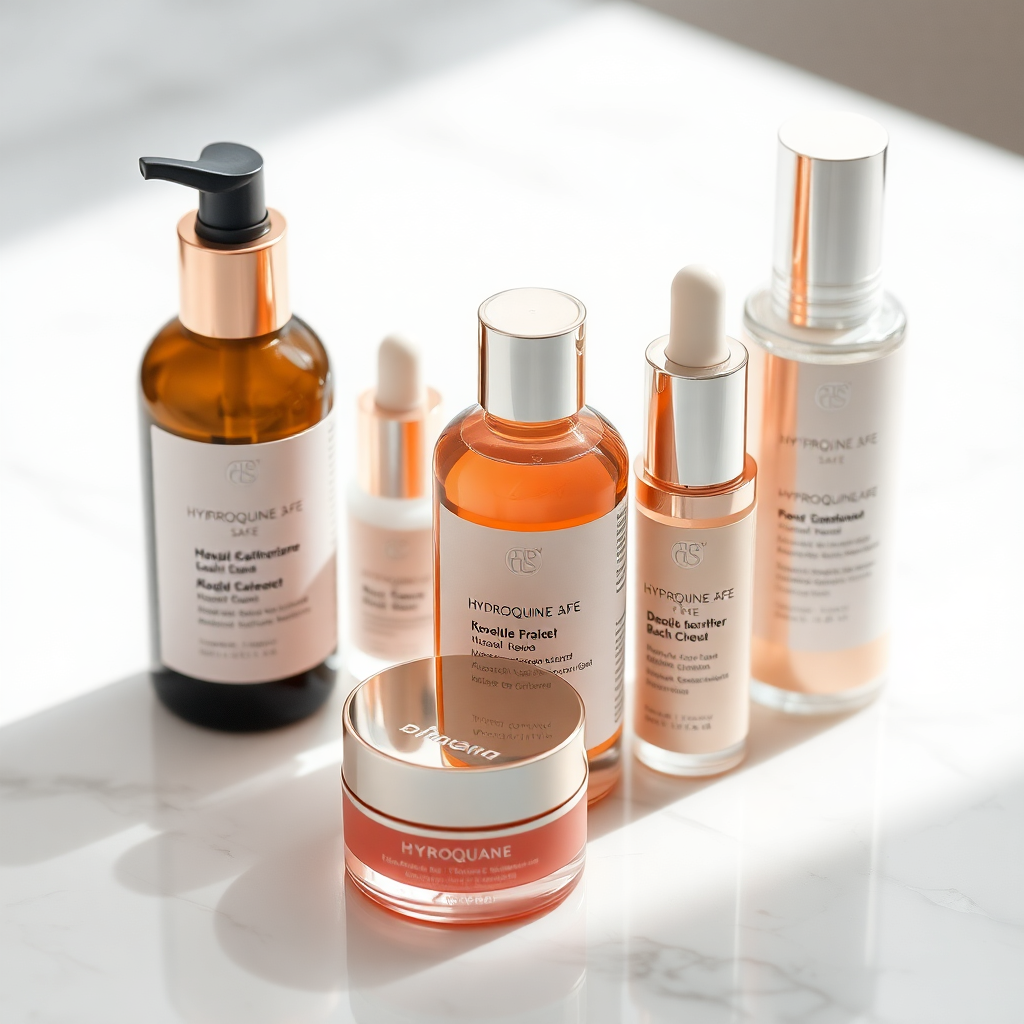
Is Hydroquinone Safe? Hazard Score, Concerns & Alternatives
The Short Answer: Hydroquinone is Not Safe for Everyone
Hydroquinone scores a concerning 7 out of 10 on our hazard scale, with links to carcinogenicity and irritation. But here's the thing — it's still available by prescription in the US, and some people swear by its skin-lightening effects.
What's the Big Deal with Hydroquinone?
Our database shows that only 1 out of 592 products contain hydroquinone, likely due to its banned status in EU cosmetics. Despite this, it's still used in some skincare products, often under the guise of "fading age spots" or "brightening skin tone." But the data tells a different story.
Carcinogen Concerns
Hydroquinone has been flagged as a potential carcinogen, which is why it's banned in the EU. While the US FDA hasn't taken the same stance, we think it's worth exercising caution. If you're pregnant or planning to be, skip hydroquinone entirely. The alternatives (like kojic acid or niacinamide) get you similar results without the risk.
Irritation and Other Concerns
Hydroquinone can also be an irritant, causing redness, itching, and dryness in some users. And if you have sensitive skin, you're more likely to experience these adverse effects. But here's where it gets interesting: our data shows that even among products that don't contain hydroquinone, 35% still cause irritation in some users. That's why it's essential to patch test any new skincare product, regardless of its ingredients.
So, What Are the Alternatives?
If you're looking for skin-lightening effects without the risks associated with hydroquinone, consider the following alternatives:
- Kojic acid: A natural skin-lightening agent with a hazard score of 2, making it a much safer option.
- Niacinamide: A form of Vitamin B3 that brightens skin tone without the same level of risk as hydroquinone.
- Vitamin C: A powerful antioxidant that can help even out skin tone and reduce the appearance of age spots.
Bottom Line
Hydroquinone might be effective for skin lightening, but its potential risks outweigh its benefits for many users. With a hazard score of 7 and links to carcinogenicity and irritation, we recommend exploring safer alternatives. Always prioritize your skin health and consult with a dermatologist if you're unsure about any ingredient.
Disclaimer
This article is for informational purposes only. Safety scores are algorithmic assessments based on published research and regulatory data — not medical advice. Consult a dermatologist for personalized skincare guidance.